
Drain CCTV Survey in London
Most rat problems in London start underground. A defective drain gives rats a direct route from the public sewer into the walls, floors and gardens of the property above it — and until the fault is found and repaired, treatment alone will not keep them out. A CCTV drain survey shows you exactly where that route is.
From £170
+ VAT
PDF report
and full video footage
A costed repair plan
outcome
Pay after the survey
payment
Why rats come up through the drains
Rats live in the sewer system. They do not need an invitation into a building, only a defect in the pipework between the sewer and the property — a cracked or collapsed section, a joint that has slipped, a redundant pipe that was capped badly or never capped at all. Once they are inside the pipe run they travel along it and come out wherever the fault is: under a suspended floor, inside a cavity wall, beneath a kitchen extension, or in the garden.
This is why a rat problem can come straight back after a successful treatment. The rats you had are gone; the route they used is still open. Sealing the inside of a property makes no difference to a fault three feet under the path outside, and no amount of baiting closes a broken pipe. The survey is how you stop guessing and find out.
What the survey involves
1
Access and set-up
We lift the manhole covers, or use an internal access point where there is no chamber, and feed a self-levelling survey camera into the pipe run.
2
Camera survey
The pipework is recorded on video along its full length — the runs, the branches and junctions, the chambers and the connection to the main sewer.
3
Fault identification
We pick out every defect capable of letting a rat through, and note anything else the camera shows on the way: blockages, standing water, root ingress, displaced joints.
4
Report and quote
You get a PDF report of the findings with a link to download the complete footage, and a costed plan for the repairs the survey has shown are needed.
What your report includes
- Where each defect is, and how far along the run it sits
- What the fault is and why it matters — whether it is a rat route, a drainage problem, or both
- Still images taken from the footage
- A link to a cloud folder holding the full video of the survey, for you to download and keep
- The repairs we recommend, with a price
The report and the footage are yours. If the drain is shared, or the property is leasehold, you have something concrete to put in front of a freeholder, a managing agent or a neighbour rather than a verbal account of what someone saw down a hole.
Faults we commonly find
- Cracked, fractured or collapsed pipework
- Joints that have dropped or pulled apart, leaving an open gap in the run
- Redundant pipes from an old kitchen, bathroom or outside toilet, left open underground
- Rodding eyes and access points with missing or broken caps
- Defective or removed interceptor traps between the property and the main sewer
- Unsealed gaps where a pipe passes through a wall or a chamber
- Damage from roots or from ground movement around the pipe
From survey to repair
The survey is not the end of it. Because we know what the camera found and where, the report comes with a plan and a quote for the work, so you are not paying for a second inspection before anyone can tell you the cost of putting it right.
In a lot of properties the drain is one of two routes in. Gaps around service pipes, air bricks, door thresholds and under kitchen units are the other, and they are above ground. Where the survey shows both, our rodent proofing covers the above-ground side of the job, and pest sanitation deals with what the rats have left behind in the voids.
When a drain survey is worth doing
- Rats keep returning to the same part of the property after treatment
- You can hear activity in a wall or under a floor but cannot find a way in from outside
- There is rat activity alongside a slow drain, a smell from a soil pipe, or a damp patch with no obvious cause
- You are buying a property that has a history of rats
- You manage a block or a portfolio and want the shared drainage checked properly rather than treated again
What happens if the drains are clear
If the survey finds a defect, your report comes with a costed plan to repair it. If it finds nothing underground, we will tell you so plainly and point you at the above-ground entry points instead — which is still a result, because it rules out the expensive possibility and tells you where to spend instead.
How Rats Get Into London Properties
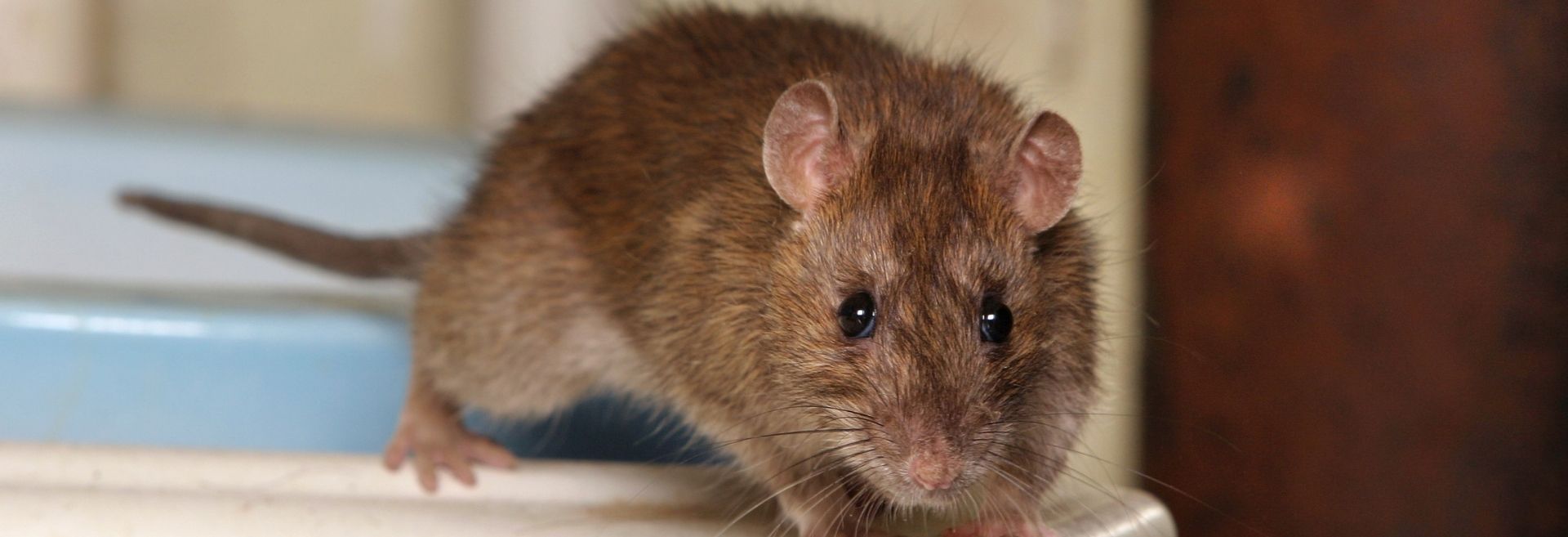
Inside London properties, most rat problems start with a drain fault. Treating the rats without finding the way in means they come back, so every rat control visit includes an inspection of the routes below.
- The drains: rats travel along the main sewer and up the private drain that serves your home.
- A broken or redundant pipe: a cracked pipe, a displaced joint or an old branch that was never capped off, often left behind after a kitchen, bathroom or extension was altered, lets rats leave the drain and come up beneath the floor.
- Under an extension: rats dig beneath the lintel or shallow footing of an extension, where the newer structure meets the original house, and reach the floor void from there.
- Up into walls and ceilings: from the floor void they climb the wall cavity and settle in ceiling voids and lofts, where they are heard but rarely seen.
- Back to water every day: a rat needs to drink every day, so rats living in a ceiling or wall do not stay put. They travel back and forth to a water source, which is usually the drain they came from.
If you can hear rats but never see them, they are most likely coming in under an extension or directly through a broken or redundant pipe. This is why a drain CCTV survey is recommended for any rat problem that keeps returning.
Hidden Entry Points Inside Your Home
Once rats are under the floor or in the wall cavity, they reach the rooms through gaps left inside the property by builders, plumbers and kitchen fitters:
- Behind the kitchen cupboards: where the central heating pipes, the water inlet and the gas pipe pass through the floorboards or the wall. The holes are usually cut much bigger than the pipes and are hidden once the units are fitted.
- Soil stack boxing in the kitchen: boxing around the soil stack that was left unfinished at the bottom or the back, leaving an open shaft straight down to the floor void.
- Toilet pipe boxing in the bathroom: the same problem behind the toilet, where the waste pipe passes through the floor or wall inside its boxing.
- Under the stairs: around the cables at the electric meter and the gas pipe at the gas meter, where they enter the floor or the walls.
Your technician photographs the entry points found and includes them in your report, with a quote for rodent proofing where the property is suitable. Read more in our brown rat guide.
What Our Customers Say
Advice from our blog
Practical articles from our technicians about rats and drains.

Drain CCTV Survey: Frequently Asked Questions
How much does a drain CCTV survey cost?
Surveys start from £170 + VAT. What it comes to depends on how many drain runs there are and how much of the system needs covering. You pay after the survey, not upfront.
Do I get to see the video footage?
Yes. The PDF report contains a link to a cloud folder where the full video of the survey can be downloaded. It is yours to keep and to pass on.
Will the survey tell me how the rats are getting in?
That is what it is for. The camera shows the defects in the pipework that let rats pass between the sewer and the property, and the report sets out where each one is and what it will take to close it.
Do you quote for the drain repairs as well?
Yes. The report comes with a plan and a price for the repairs the survey has shown are needed, so the findings and the quote arrive together.
I have already had treatment and the rats came back. Is a survey the next step?
Usually it is. Activity returning to the same spot after a successful treatment is the classic sign of a defect underground, because the route back in was never closed.
Do I need proofing as well as a drain repair?
Often both. A drain fault is one route; gaps around pipework, air bricks and thresholds are another. Our rodent proofing covers the above-ground work, and the survey will tell you whether you need it.
Which areas do you cover?
All London boroughs, inside and just outside the M25. We are open Monday to Friday 8am to 6pm and Saturday 9am to 5pm, and you can reach us on 020 8106 5666.
Drain CCTV surveys near you
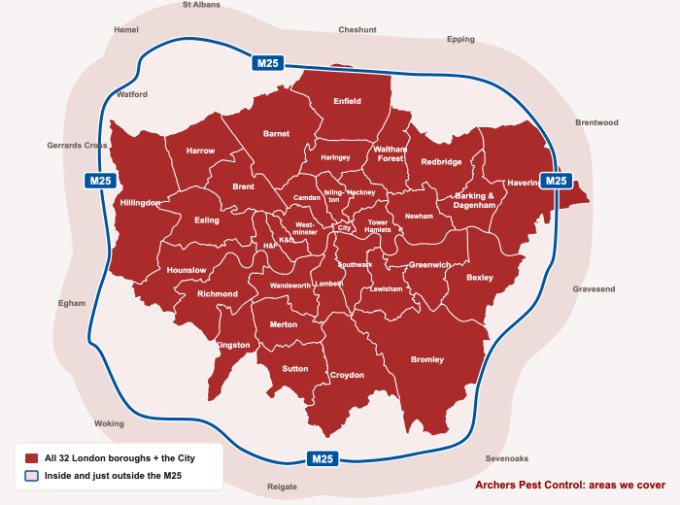
We cover every London borough and much of Essex. For drain cctv surveys, these are the areas we are called to most often:


